Strong Brands Do Not Happen by Accident
Most businesses treat branding as something to do once, early, and cheaply. Then they wonder why their market position feels unclear, their marketing does not convert, and their competitors seem more credible despite doing less impressive work.
Brand identity is not decoration. It is the structure underneath everything else. When it is built properly, it works across every context, every platform, and every audience. When it is not, no amount of marketing spend will compensate for it.
IPOINT INT. has been building brand identities for Malta businesses since 2005. Not logos. Not visual refreshes. Brand systems that perform commercially, hold up over time, and earn the trust of the people they are designed to reach.

The question a brand must answer is not whether it looks good. It is whether the right people trust it immediately.
Trust is built before a conversation starts. It is built by the first visual impression, the clarity of the message, the consistency across touchpoints, and the sense that this is an organisation that knows exactly what it is and who it is for. A brand that answers those signals confidently converts better, attracts better clients, and commands better terms.
The opposite is also true. A generic brand, or one that has drifted out of alignment with where the business actually is, creates friction at every point of contact. It makes buyers hesitate. It invites price comparisons that a stronger brand would never face.
IPOINT INT. approaches branding as a strategic discipline. The visual identity is the output. The work begins with positioning, audience clarity, and the specific business outcomes the brand needs to drive. Everything designed after that serves those foundations.
This page is for a specific type of client.
Established Malta businesses that have grown past their current brand and know it. Companies preparing for a market expansion, a funding round, or a rebrand where the stakes are real. iGaming and fintech operators who understand that brand credibility is a regulatory and commercial asset, not an aesthetic choice. Founders launching into a competitive space who need to signal quality and intent from day one.
If the brief is a new logo at the lowest possible cost, IPOINT INT. is not the right fit. If the brief is a brand system that earns trust, holds up across markets, and gives the business a stronger commercial platform to operate from, it is worth a conversation.
"If the brief is a new logo at the lowest possible cost, IPOINT INT. is not the right fit"
Positioning, audience definition, competitive differentiation, and the specific perception the brand needs to create. This is the document that guides every design decision that follows. Without it, design is guesswork.
Logo design, colour system, typography, iconography, and the rules governing how every element works together. A complete identity that is consistent whether it appears on a business card, a website, a trade stand, or a digital campaign.
A reference document your team and future partners use to apply the identity correctly. Consistency is how brands compound over time. Guidelines make consistency possible.
The language your brand uses and how it sounds across channels. Visual identity and verbal identity need to work as one system, or the brand feels disconnected at the points that matter most.
The brand applied to the contexts that matter for your business: website design, stationery, presentation templates, social formats, email signatures, signage. The identity made tangible.
For established businesses, a structured review of where the current brand is strong, where it is inconsistent, and what a rebrand or refresh needs to address. An audit before a redesign prevents expensive mistakes.
IPOINT INT. has been building brands for Malta businesses since 2005. The sectors have changed. The principle has not: a brand should create commercial advantage, not just visual appeal.
Different briefs, same discipline: brand clarity in a regulated environment is not optional. It is how credibility is established before a prospect picks up the phone.
The same standard applies in iGaming, where the commercial stakes are different but the demand for precision is identical. QBET is a full brand identity built for a market where player trust is the primary acquisition lever. Boomerang is an international casino and sportsbook brand engineered for consistency across multiple markets and languages. These are not briefs that reward generic thinking. iGaming buyers are sophisticated. They have seen every brand cliche the sector produces.
Every IPOINT INT. brand project is custom. The strategy, the identity system, and the application design are built for the specific business. Nothing is adapted from a previous project. Nothing is templated.
01
We begin by understanding the business, the market, and the audience. For established brands, we audit what exists before deciding what needs to change.
02
Positioning, differentiation, and audience clarity documented and agreed before design begins. This is the foundation. Everything else builds from it.
03
Concepts developed from the strategy. Not mood boards. Considered design directions with clear rationale, refined through structured feedback rounds.
04
The approved identity extended into a complete system. Every element documented. Every rule defined. The brand made consistent.
05
The identity applied to the contexts your business needs: website, stationery, digital formats, presentations, signage.
06
Brand guidelines, all files in every required format, and a structured handover so your team can apply the brand correctly from day one.


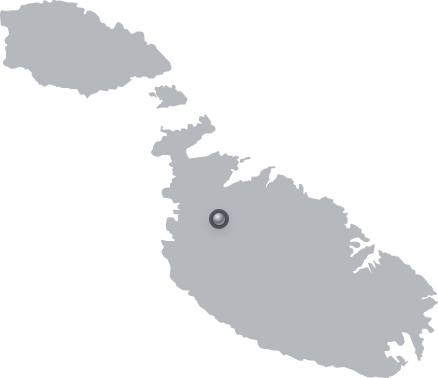
Malta's market is concentrated but its business community is internationally connected. iGaming operators licensed in Malta compete globally. Fintech companies headquartered here serve clients across Europe. Professional services firms work across jurisdictions. A brand built only for the local market rarely serves any of those businesses well.
IPOINT INT. builds brand systems designed for both contexts simultaneously. They hold up in Malta, and they hold up when the business expands. Twenty years of working with Malta-based companies that operate internationally means understanding what that dual requirement actually demands from a brand.
It depends on scope. The variables that determine cost are the complexity of the strategy work, the breadth of the visual identity system, the number of application contexts required, and whether the brief includes a brand audit of an existing identity. No two projects are the same, which is why there is no fixed price list. Every project begins with a discovery conversation and produces a clear, itemised proposal before any work starts.
From kick-off to final delivery is typically 8 to 14 weeks. Strategy and discovery take the longest because they require genuine thinking, not just stakeholder sign-off. The design phase moves faster when the strategy is clear. The single biggest variable is feedback speed. Decisions made promptly keep projects on track.
A logo is one element of a brand identity. A brand identity is the complete system: logo, colour palette, typography, iconography, tone of voice, and the rules that govern how everything is applied consistently. A logo without a system produces inconsistency. Inconsistency creates doubt. Doubt costs commercial opportunities.
When the current brand no longer reflects where the business actually is. Common signals: the business has grown significantly but the brand still looks like it belongs to an earlier stage. The target audience has shifted. A market expansion or new product launch requires positioning that the current brand cannot carry. A funding round is approaching and the brand needs to signal the company's ambition and quality accurately.
Both. The approach is calibrated to the stage. A startup needs a brand system built for growth from day one, one that does not need to be rebuilt at Series A. An established business needs its existing equity assessed before anything changes. The process differs. The standard does not.
The natural next step after a brand system is in place.
A structured programme for businesses building from the ground up.
If your brand is not earning the trust it should, or no longer reflects where the business has arrived, that is the brief.
It does not need to be more complicated than that.
Tell us about the business and what the brand needs to do.
We will come back within one working day.