Presence That Builds Authority, Not Just Followers
Most social media programmes for Malta businesses produce posts. Fewer produce authority. The gap between the two is almost always strategic rather than executional.
A social media presence built on brand positioning, consistent voice, and content that serves the audience's actual interests compounds over time. It builds recognition, earns trust, and creates the kind of warm familiarity that makes inbound enquiries easier and outbound sales conversations shorter.
IPOINT INT. builds social media programmes around the brand, the positioning, and the commercial objective. Not around a posting schedule. Not around platform algorithms. Around what the business is trying to earn from its audience and what the audience needs to see to give it.

The businesses that benefit most from social media are not the ones posting most frequently. They are the ones whose content gives their audience a reason to pay attention, to share, and to remember them when a relevant need arises.
That kind of content does not come from a content calendar built around awareness days and company announcements. It comes from a strategic decision about what the brand knows that its audience does not, what perspective the business has that its competitors do not share, and how to express that consistently in a voice that is recognisably the brand's own.
For B2B businesses in Malta, specifically in iGaming, fintech, and professional services, the social channel where this matters most is LinkedIn. The audience is professional. The content that performs is substantive. The bar for what earns attention is higher than most Malta businesses are currently meeting.
IPOINT INT. builds social programmes designed to meet that bar, consistently, in a voice that is built from the brand positioning rather than assembled post by post.
Social media management at this level is for a specific type of brief.
B2B Malta businesses in iGaming, fintech, regulated industries, and professional services that are not satisfied with the commercial return from their current social presence and suspect the problem is strategic rather than executional. Founders and senior leaders who want a personal LinkedIn presence that supports their commercial objectives but do not have the time or the framework to build it consistently. Companies that have tried social media management before and found that the output was generic, disconnected from the brand, and produced no discernible commercial outcome. Businesses building toward a significant moment, a market expansion, a product launch, a funding round, where the social presence needs to do substantive work rather than just exist.
If the brief is social media management at the lowest possible cost, there are services built for that. If the brief is a social programme that builds genuine commercial authority in a defined audience, this is the conversation worth having.
"If the brief is social media management at the lowest possible cost, there are services built for that"
Platform selection, audience definition, content pillars, and tone of voice framework. The strategic foundation that determines what gets produced and why, before any content is written.
A monthly content plan structured around the content pillars. Each post mapped to an audience intent, a brand objective, or a commercial goal. No filler. No arbitrary posting.
Post copy, graphic design, and video direction produced to the content plan. Every piece reviewed against the brand voice and the strategic objective before it is scheduled.
Scheduling, publishing, and monitoring across agreed channels. Comment management and engagement responses handled consistently and in brand voice.
For founders and senior leaders: a personal brand content programme built around their specific expertise and commercial objectives. Distinct from the company page in voice but aligned in positioning.
Monthly reporting on reach, engagement, follower growth, and inbound enquiries attributable to social. The metrics that matter commercially, not the ones that look impressive in a dashboard.
The most common failure mode in social media management is treating it as a production task rather than a brand expression. Content is produced to fill the calendar. It is posted consistently. It looks like the brand. And it produces nothing commercially useful because it never says anything the audience did not already know.
IPOINT INT. builds social programmes from the brand positioning outward. What does this business know that its audience values? What perspective does it have that its competitors are not articulating? What proof does it have of the things it claims? Those questions produce content that earns attention rather than content that fills space.
For iGaming clients, social operates under additional constraints. Advertising standards, responsible gambling messaging requirements, and jurisdiction-specific restrictions affect what can and cannot be said on which platform in which market. Building those constraints into the content framework from the start is significantly more efficient than managing compliance issues post-publication.
01
Platform selection confirmed. Audience profiled. Content pillars defined. Tone of voice framework established. The strategy documented and approved before any content is produced.
02
Content plan produced each month. Every post mapped to a content pillar and a commercial objective. Approved before production begins.
03
Copy, design, and video produced to the approved plan. Reviewed against brand voice and strategic objective. Revised until it meets the standard.
04
Content scheduled and published. Engagement monitored. Comments and messages responded to in brand voice.
05
Monthly performance review. Content adjusted based on what is earning attention and what is not. Strategy updated as the programme matures and audience behaviour becomes clearer.
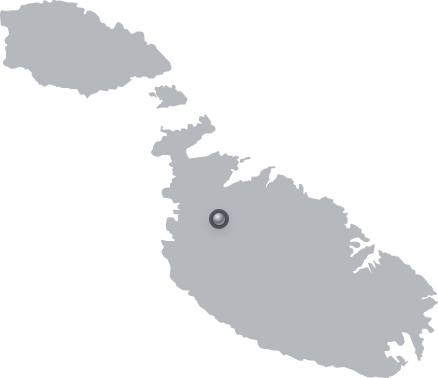
Malta's B2B social landscape is dominated by LinkedIn. The professional community is concentrated, internationally connected, and more sophisticated in its content preferences than most Malta agencies give it credit for. Generic posts about company values and industry news do not build authority in this audience. Substantive content that demonstrates genuine expertise does.
IPOINT INT. builds social programmes calibrated to that reality. The content is designed for a professional audience with high standards, not for an algorithm with low ones.
For most B2B businesses in Malta, LinkedIn is the primary platform. It is where professional audiences spend time, where B2B purchasing decisions are influenced, and where thought leadership content earns the most durable commercial return. Secondary platforms depend on the sector and audience: iGaming businesses have specific platform requirements linked to advertising regulations. Hospitality and consumer brands have different requirements again. Platform selection is made at the strategy stage based on where the target audience is and what the commercial objective requires.
Frequency is a function of quality, not the other way around. Publishing five mediocre posts per week produces less commercial value than publishing two substantive ones. The right frequency for most B2B Malta businesses on LinkedIn is three to four times per week, with each post serving a defined content pillar. That cadence is sustainable, consistent with how the platform rewards regular posting, and high enough to maintain visibility without diluting quality.
Yes, and the distinction matters commercially. Personal brand content on LinkedIn consistently outperforms company page content in reach and engagement. People follow people. The most effective LinkedIn strategy for most B2B businesses combines a company page that demonstrates institutional credibility with a founder or senior leader personal brand that builds genuine audience relationships. The two should be aligned in positioning but distinct in voice.
Compliance requirements are built into the content framework at the strategy stage. For iGaming clients, advertising standard restrictions and responsible gambling messaging requirements are factored into the content pillars, tone of voice guidelines, and approval process. Content is not published without a compliance review step built into the workflow.
The content architecture the social programme is part of.
Brand positioning that the social voice is built from.
The broader digital framework that social serves.
The channel that converts the audience social builds.
Brand and digital from a single partner with a consistent view of the business.
If the current social programme is producing output without producing commercial authority, the strategy is the problem, not the team executing it. That is the starting point for this conversation.
Tell us about the business, the audience you are trying to reach, and what the current social programme is and is not doing. We will come back within one working day.